
Engineering Records · Wildlife Detection Platform
Why I Started Building My Own Wildlife Cameras
Why I wanted to build my own wildlife camera system and what I wanted to do differently.
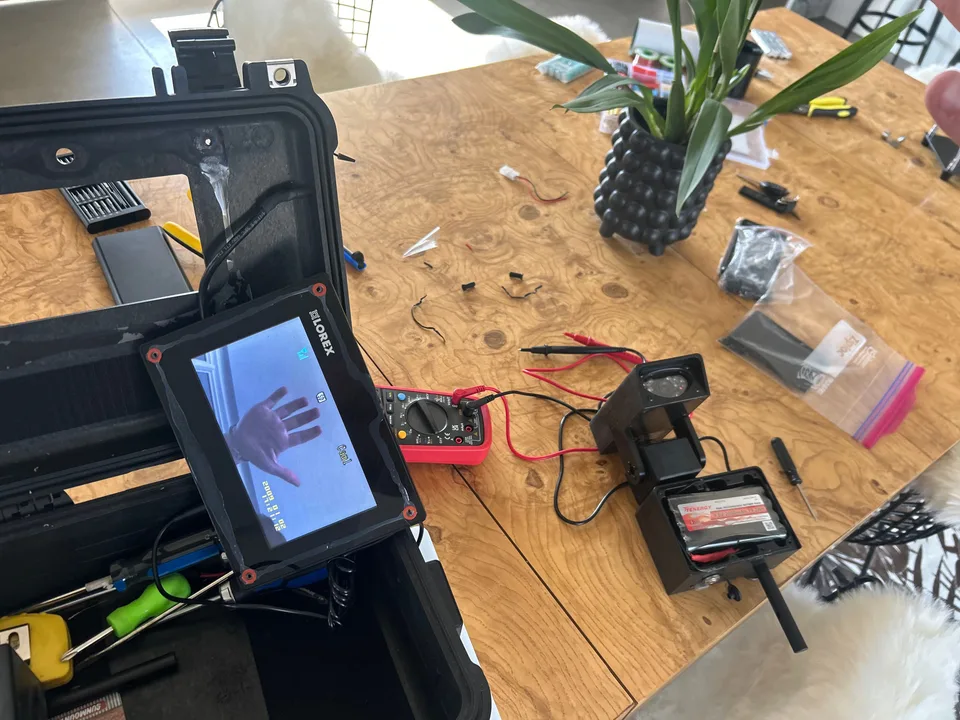
VertMax First Test
VertMax First Test
Why I Started Building My Own Wildlife Cameras
Every project has a starting point, but they rarely begin where you expect.
This one didn’t start with Raspberry Pis, custom electronics, or even the idea of building a wildlife monitoring platform. It started with a stack of old equipment that was on its way to the dumpster.
An Unexpected Opportunity
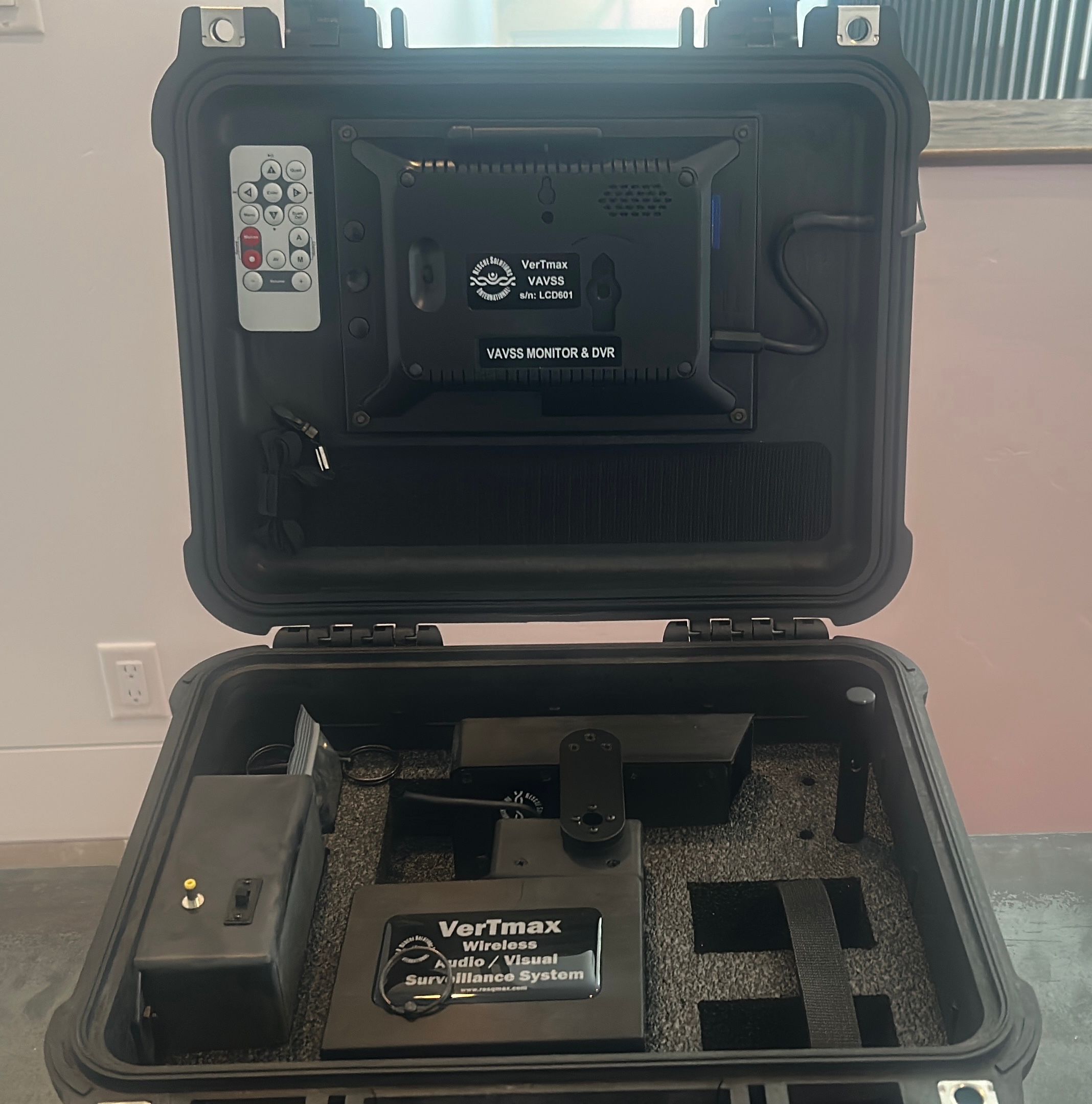
While working at Rescue Solutions International, we were cleaning out a warehouse filled with older hardware and discontinued projects. Among the equipment were several rugged wireless camera systems from an unreleased product line called Vertmax.
Since the systems were no longer being used and were ultimately going to be discarded, I ended up taking home six complete camera kits.
At the time I had no real plan for them.
I just knew they were too interesting to throw away.
Like most engineers, my first instinct wasn’t to ask “What can I sell?” It was simply:
“What can I build with these?”
Choosing a Direction
For a while the equipment sat on a shelf while I considered different ideas.
Around that same time I had been spending more time working with computer science projects and wanted an excuse to move beyond software. Computer vision seemed like the perfect intersection between programming and hardware, allowing me to learn electronics while still building on skills I already had.
Once I settled on computer vision, the application became obvious.
I live on twenty-nine acres in Central Oregon where wildlife is a daily part of life. Deer, elk, coyotes, bobcats, birds of prey, and countless smaller animals regularly move through the property.
Rather than simply installing another trail camera, I became interested in documenting those animals over time and eventually building a long-term database of wildlife activity on the property.
That goal became the foundation of everything that followed.
Learning From Existing Hardware
Before designing anything new, I wanted to understand the hardware I already had.
Over the next several weeks I disassembled the old camera systems, repaired wiring, replaced aging batteries, taught myself basic soldering techniques, and worked through getting as many of the original systems operational as possible.
Although none of those repairs were intended to become the final product, they gave me valuable experience working with electronics that I had never really developed before.
Looking back, those weeks were some of the most educational parts of the project.
They taught me how real hardware behaves outside of textbooks, and they made the jump into designing my own electronics far less intimidating.
Knowing When to Start Over
Eventually I reached a point where it became clear that the analog systems were limiting the project more than helping it.
Every new idea I had seemed to require working around the hardware instead of building with it.
Higher quality imaging.
Remote connectivity.
Computer vision.
Long-term expansion.
Modern power management.
None of those fit naturally into hardware that had been designed years earlier for a completely different purpose.
Instead of spending more time modifying equipment that was never intended for what I wanted, I decided it was time to step back and rethink the project from the beginning.
That question ultimately became:
If I were designing this today from a blank sheet of paper, what would I build?
That decision marked the end of the original analog camera concept and the beginning of designing what would eventually become the Scout, Ranger, and AI Hub platform.
One of the biggest lessons from this stage of the project was that repairing existing hardware wasn’t wasted effort. Even though none of the original camera systems became part of the final design, they provided the hands-on experience that made designing new hardware feel achievable.
What’s Next
With the analog systems serving as a learning platform rather than the final solution, the next challenge was defining what a modern wildlife monitoring system should actually look like.
Rather than trying to build one device that did everything, I began exploring a modular architecture that separated sensing, processing, and future AI capabilities into dedicated systems.